Home · Economy & Cost of Living
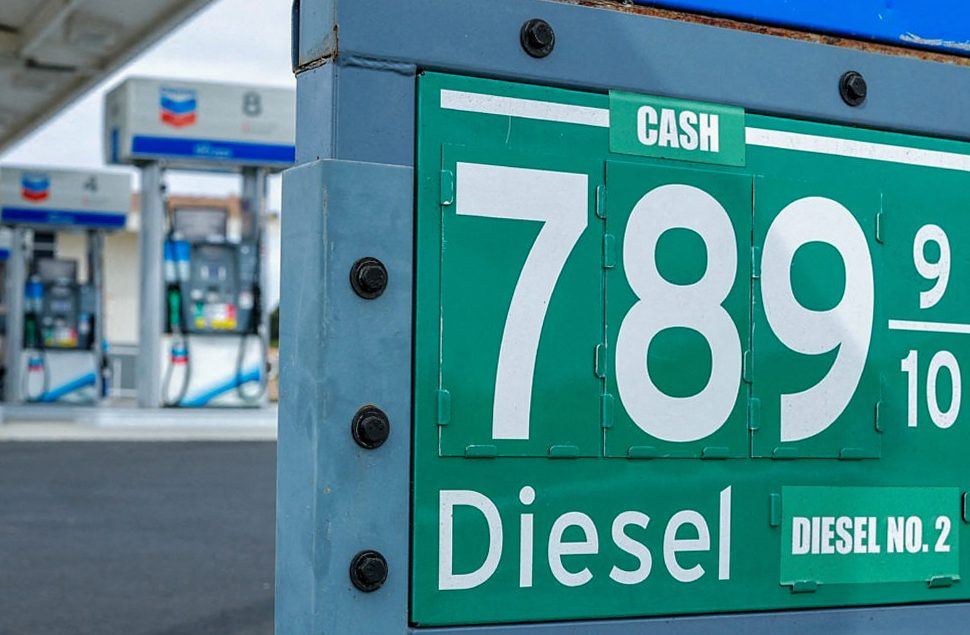
Three Key Facts About Record Diesel Prices and Their Consumer Impact
Based on reporting by PBS
Ongoing global conflicts have pushed up costs across multiple industries, and diesel is no exception. Gregory DeYong, a professor at Southern Illinois University and supply chain management expert, described diesel as facing a "two-pronged attack." The U.S. war in Iran has restricted crude oil supplies — the raw material from which diesel is refined — with the price of a barrel of oil surpassing $100 again in early September. The effective closure of the Strait of Hormuz, a critical global oil shipping route, and strikes on oil facilities and alternate shipping routes in Saudi Arabia have all contributed to the increase.
Energy and economics experts told PBS News that Americans should brace for broadly higher costs driven by record diesel prices, even as consumers already contend with persistent inflation that pushed consumer prices up 3.4% in August compared to a year earlier.
Diesel supply has been further squeezed by damage to refineries in Russia amid its war with Ukraine. Ukrainian strikes on Russian oil infrastructure, including diesel-producing refineries, have strained the industry. Russia is the world's third-largest producer of refined oil products after the U.S. and China, according to a September International Energy Agency report. In June, oil throughput at Russian refineries fell to its lowest level in more than 20 years, that report found.
Even if the ongoing conflicts were to end, experts said relief would not come immediately. Repairing and building refineries takes months to years, and existing facilities are already near their limits — U.S. refineries were operating at 97% capacity as of September 11, according to the U.S. Energy Information Administration. "It will still take some time for prices to come back down, simply because inventories will have to be rebuilt, refineries will have to be put back up and running, and the standard flow of trade would have to be reestablished," Gillingham said.
What runs on diesel
Although fewer than 3% of passenger vehicles in the U.S. use diesel, the fuel underpins a vast share of economic activity. Patrick De Haan, head of petroleum analysis at GasBuddy, summed it up in a statement: "Diesel is the fuel that moves the economy." A broad range of industries depend on it to transport goods and power operations.
How rising costs reach consumers
Because so much of the economy depends on diesel, rising fuel costs translate into higher prices for consumers — though the pace and scale vary by product and industry. Jason Miller, a supply chain management professor at Michigan State University, noted in an email that "high diesel prices primarily affect consumers indirectly, as firms along the supply chain make decisions about whether to absorb higher diesel prices or pass these along to their buyers."
Truck transportation costs have already risen about 14% since January, according to the Federal Reserve Economic Data website. Retail shipping companies including UPS, Amazon, and FedEx have introduced fuel surcharges. Dorfman noted that the effects of rising diesel costs "are already in the store and they are going to be even more obvious in the next few months." Not all businesses pass on the cost equally — how quickly and by how much a product's price rises depends on factors that differ across industries and supply chains.